1. What is Digital Marketing?
Key Points:
Explanation:
Digital marketing is the process of promoting products, services, or brands using digital technologies and internet-based platforms. It includes activities such as social media marketing, search engine optimization (SEO), email marketing, content marketing, and online advertising. Businesses use digital marketing to connect with their target audience, increase brand awareness, generate leads, and drive sales. Because most consumers spend a significant amount of time online, digital marketing has become an essential tool for businesses to remain competitive and grow in the digital age.
2. How Does Digital Marketing Work?
Key Points:
Explanation:
Digital marketing works by reaching potential customers through various online platforms and guiding them through the customer journey. Businesses create valuable content, optimize websites for search engines, and run advertisements to attract visitors. Once users engage with the content, marketers encourage them to perform actions such as purchasing a product, subscribing to a newsletter, or contacting the business. Digital marketing tools collect data about customer behavior, allowing businesses to analyze results and improve future campaigns. This data-driven approach helps companies maximize their marketing effectiveness and achieve better outcomes.
3.Why Is Digital Marketing Important?
Key Points:
Explanation:
Digital marketing is important because it enables businesses to connect with customers where they spend much of their time—on the internet. It offers businesses the opportunity to reach local, national, and global audiences at a relatively low cost. Through targeted campaigns, companies can communicate with specific customer groups based on demographics, interests, and online behavior. Digital marketing also provides detailed performance metrics, allowing businesses to track website traffic, conversions, and return on investment. By helping organizations build strong customer relationships and increase visibility, digital marketing plays a vital role in modern business success.
4. What Are the Types of Digital Marketing?
Key Points:
Explanation:
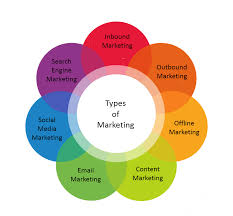
Digital marketing consists of several specialized strategies that help businesses achieve different marketing objectives. SEO focuses on increasing website visibility in search engine results, while content marketing educates and attracts customers through blogs, videos, and articles. Social media marketing builds engagement and brand awareness on platforms like Facebook, Instagram, and LinkedIn. Email marketing nurtures customer relationships through personalized communication. PPC advertising generates immediate traffic through paid ads. Other methods, such as affiliate marketing and influencer marketing, leverage partnerships to expand reach. Together, these techniques create a comprehensive digital marketing strategy.
5.How Can I Start Digital Marketing?
Key Points:
Explanation:
Starting digital marketing requires a combination of learning and practical experience. Begin by understanding the core concepts of SEO, content marketing, social media marketing, email marketing, and online advertising. Enroll in online courses and earn certifications to strengthen your knowledge. Create a personal website, blog, or social media page to apply what you learn and gain real-world experience. Practice creating content, optimizing web pages, and analyzing campaign results using marketing tools. As you develop your skills, build a portfolio that showcases your projects and achievements. Continuous learning is important because digital marketing evolves rapidly with new technologies and trends.